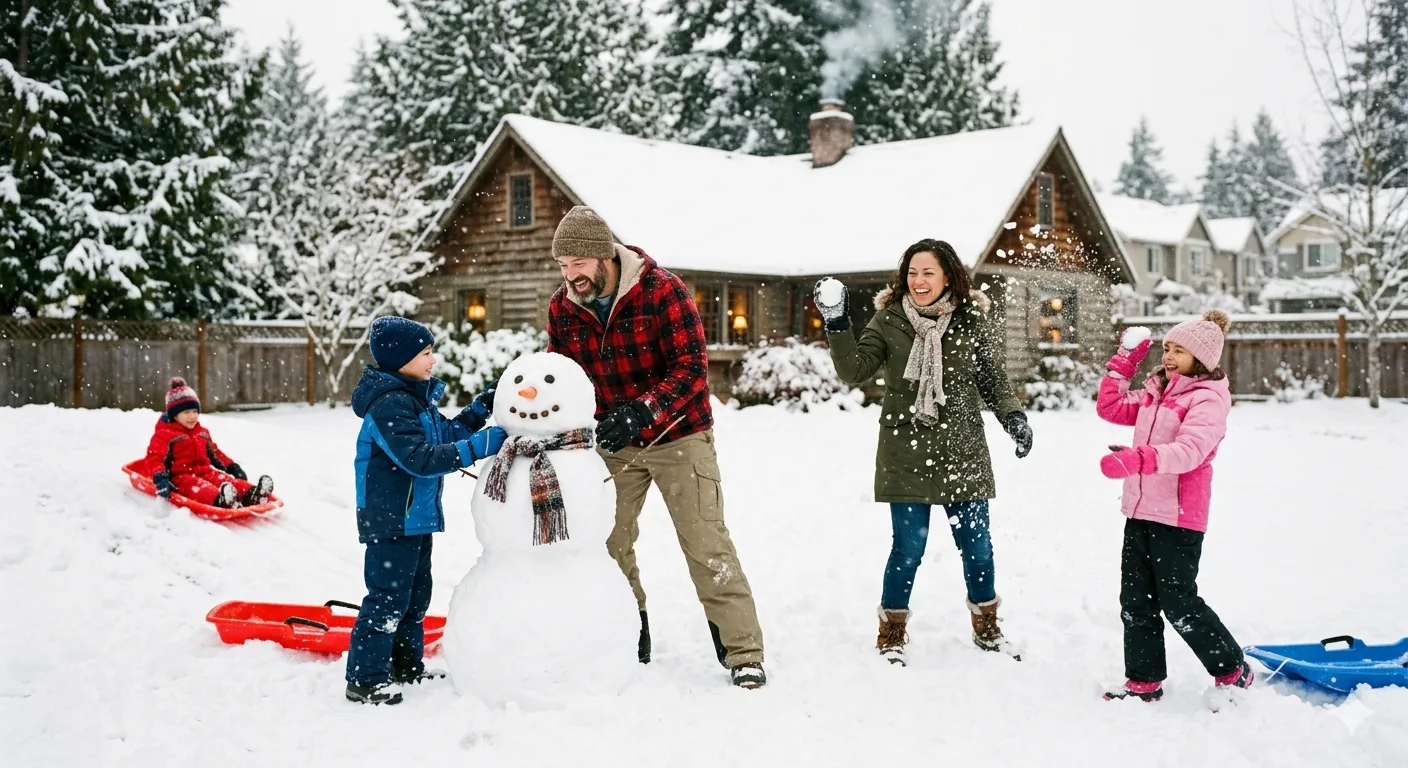
A snow day is one of winter's greatest gifts an unplanned pause that invites you to slow down, connect, and have fun. But “What to do on a snow day?” is a question that stumps families every single winter. This guide offers 30 field-tested ideas for every age group, personality and energy level.
Whether the forecast predicts a dusting or a full blizzard, the best snow day activities do not require gear or elaborate preparation. From snow games that raise the heart rate to indoor winter activities that warm the soul this guide presents everything you need in a clear actionable format updated for 2026.
School is closed. The kids are thrilled. You stand in the kitchen at 6 holding cold coffee wondering how you will fill the next ten hours without everyone ending up glued to a screen.
If that sounds familiar you are in the place. Below you will find 30 ideas for what to do on a snow day ranging from five‑minute fixes to all‑afternoon projects plus the boring but useful details that many forget: how to verify that the closure is real how cold is too cold and what to do if the lights go out.
Most of it costs nothing. All of it works with stuff you already own.

Before Anything Else, Confirm the Closure
I built the snow day calculator on this site because I kept seeing parents in my area confused about whether school was open or not. Some were guessing from the sky. Others were refreshing the district page every few minutes.
My view is simple. A calculator can tell you whether a closure is likely, which helps you plan the night before. It cannot replace the official announcement from your school district. Nothing can. Wait for the text, email or website notice before you cancel your morning.
Also read the wording. Plenty of districts now run a remote learning day instead of a full closure, and in the UK a school might shut for some year groups only. "No school" doesn't always mean "no lessons."
Get the Cold Part Right
Kids will stay out until their lips turn blue if you let them. So you must act as the grown‑up
Check the temperature. Also check how it feels. A calm day at -2°C (28°F) feels pleasant. Add a wind and exposed skin hurts quickly. Run the numbers through a wind chill calculator before deciding how long outdoor time should be.
Dress in three layers: a moisture-wicking base, a fleece or wool midlayer and a waterproof shell on top. Cotton is a choice because it stays wet. Mittens are better than gloves for hands. Wet socks end the fun faster than any storm.
Bring everyone in every hour or so for a warm‑up. If skin looks white, waxy or feels numb go inside. Warm it slowly with water, never hot.
One more thing to watch: a morning of snow can end with freezing rain. If the forecast mentions it the rain delay calculator gives an idea of how long wet weather might disrupt your plans.
Outdoor Ideas (1 to 10)
Go early. Fresh snow is better and tired kids are calmer by lunchtime.
-
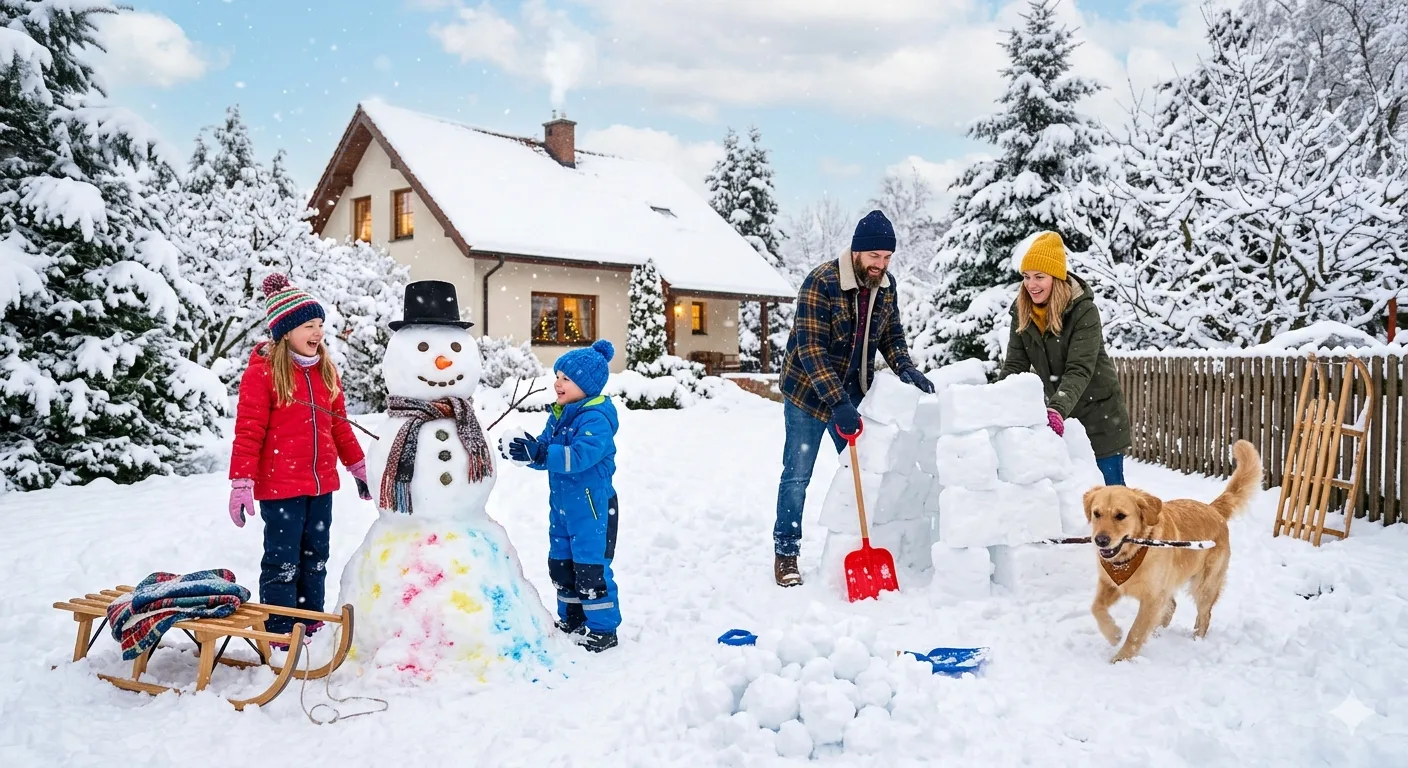
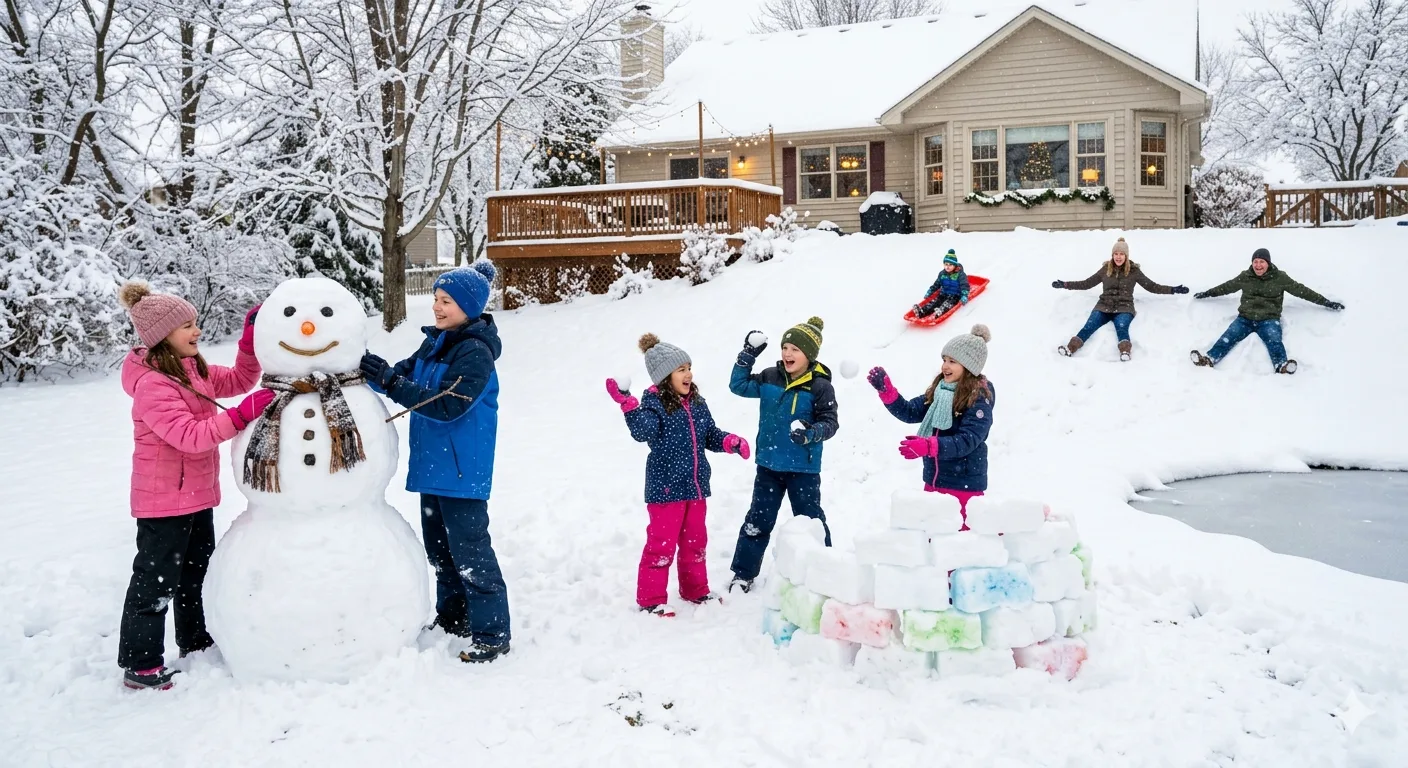
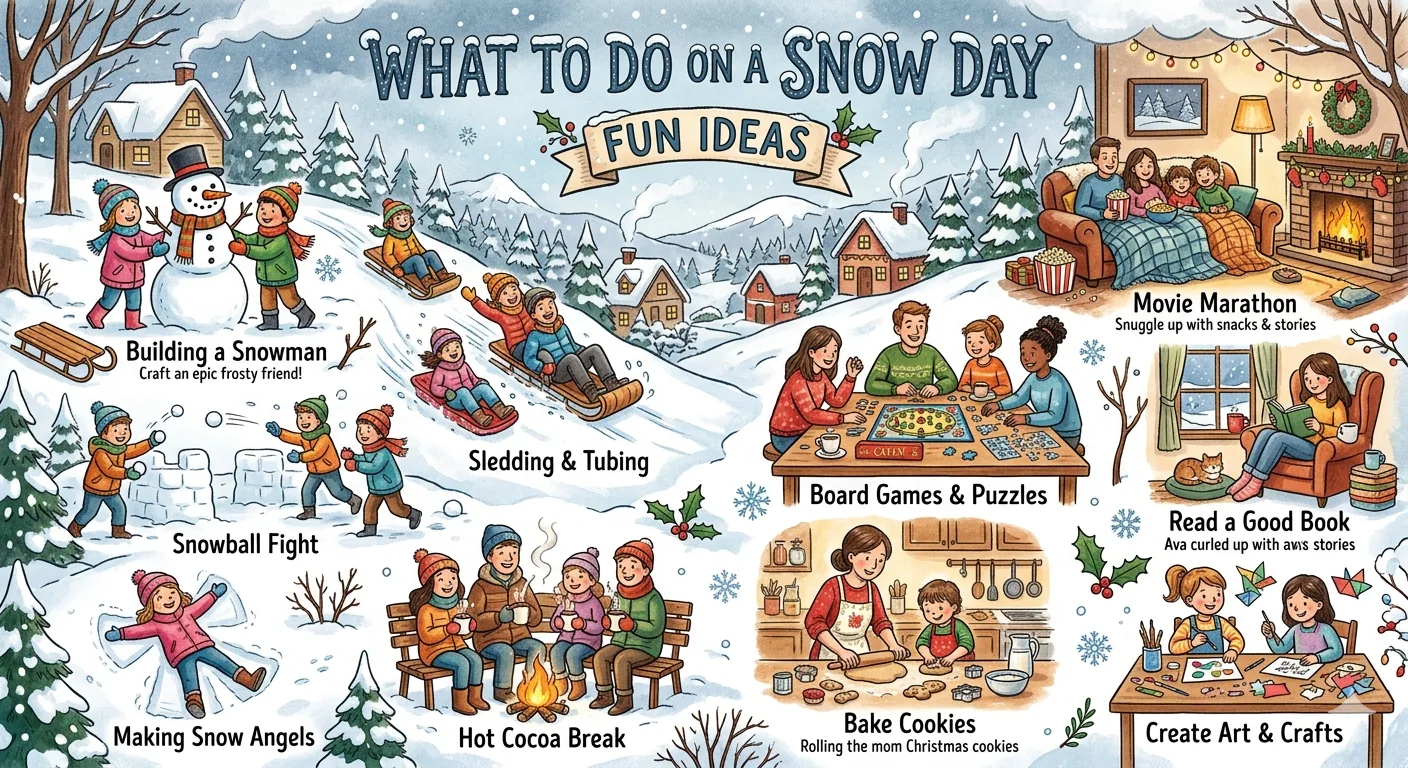
Build something than a snowman. A dragon, a sleeping dog or a snow sofa you can sit on.
-
Make a fort with rooms. Pack the bricks in a tub. Stack them like a wall.
-
Sledging if you are in Britain. A tea tray, a flattened cardboard box or a plastic bin lid works fine. Choose a hill with a stretch at the bottom and no road or pond nearby.
-
Paint the snow with spray bottles filled with water and a few drops of food coloring. Let kids draw pictures or write messages for neighbors to find.
-
Set up a target range. Use cardboard boxes, a bucket or a drawn circle on the fence.
-
Go looking for animal tracks. Small paw prints near bushes, bird marks near the feeder. Take photos. Look them up later.
-
Shovel a snow maze into the drift you have then race it against a timer.
-
Hang a bird feeder. Smear peanut butter on a pinecone roll it in seed. Tie it to a branch. Birds are hungry in winter. Watching them from the window is oddly relaxing. Check that no one in the house has a nut allergy first.
-
Measure the snowfall every hour with a ruler. Write it down. Congratulations you are running a weather station.
- Make shoveling a race. Two teams, two sides of the driveway, hot chocolate for whoever wins. It's bribery, and it works.
Indoor Ideas (11 to 20)
When everyone's cold, wet and grumpy, move inside. Nothing here needs a shopping trip.
Blanket fort. Chairs, sofa cushions, a few clips and whatever lights you've got. Once its built it turns into a reading corner, a cinema or a hideout whichever your kids decide.
Hot chocolate station. Put out marshmallows, whipped cream crushed candy cane and cinnamon then let people build their own.
Baking. Cookies are the obvious choice. Bread is better if you've got the time, because the smell fills the house all afternoon.
Snow ice cream. Stir fresh snow with milk, sugar and a splash of vanilla. Scoop from a patch not near the road or where the dog has been and eat it straight away.
Board game tournament. Keep a scoreboard on the fridge. Winner picks the movie.
A giant jigsaw puzzle. Leave it on a table. People wander over, add a few pieces and wander off. It fills a surprising amount of the day.
Living room obstacle course. Cushions to climb, a masking tape line to balance along, rolled socks to throw into a laundry basket. Burns energy quicker than you'd expect.
DIY snow globes. A jar, a small plastic figure, glitter and water. Seal the lid properly or you'll be mopping later.
Movie marathon with a rule. Pick the films before you start. Ten minutes of scrolling can ruin the mood so settle it up front.
Story swap. Everyone writes a short story from one prompt, like "the snow never stopped." Read them aloud after dinner. The weird ones are usually the best.
Ideas for Every Age (21 to 30)
A three-year-old and a seventy-year-old don't want the snow day.
Toddlers and preschoolers
21. Snow in a tub. Bring in a bucket of snow with spoons, cups and a few plastic animals. Watching it melt is entertainment
22. Cup bowling. Stack plastic cups, roll a soft ball, cheer for the crash. Repeat until your ears give up.
Kids aged 6 to 12
23. Which melts faster? Fill a metal bowl and a plastic one with snow. Compare packed and fluffy snow. Ask for a guess first then check back every ten minutes.
24. Marshmallow towers. Ten minutes, tallest tower wins. Simple, loud and surprisingly competitive.
Teenagers
25. Pick a skill. Actually start it. Editing video, sketching, learning a few guitar chords, cooking dinner for the family. A free day is the best excuse they'll get.
26. A one-hour photo challenge. Five good shots of the snow, no filters. Fresh snow makes everything look better a bin.
Adults
27. A slow reset. Clear one drawer, sort the photos on your phone or answer the emails you've been dodging. Then. Do nothing productive for the rest of the day.
28. One long meal. A stew that simmers for hours or a proper loaf of bread. It's the best use of a day that can't go anywhere.
Seniors
29. Phone or video calls. Bad weather can make the day feel lonely so a call with a grandchild or an old friend matters more than it sounds.
30. Write it down. A family recipe, a story from childhood a memory of a winter. Stay inside because icy steps are not worth the risk.
Working From Home While the Kids Are Off
Lets be honest a snow day isn't a day off for everyone. If you have to log in, a few things help.
Send the kids out before your first big call so they've burned some energy. Hand them a 'quiet box' with drawing supplies a puzzle and a timer for the rest. If there are two adults split the day into shifts. Swap, at lunch.
And lower the bar. A pajama afternoon with a movie is not bad parenting. It's survival.
Nothing Planned? Try These
- A ten-item scavenger hunt around the house
- A dance party with one shared playlist
- Pillow fort plus a chapter book read aloud
- A pretend restaurant, with handwritten menus
- A team tidy-up with cocoa as payment
If the Power Goes Out
Heavy snow and ice can take down power lines so it is wise to be ready before it happens.
Charge. Power banks the night before. Keep a flashlight, spare batteries and extra blankets in a place you can find in the dark. Spend the day in one room to share heat. Eat the fridge food first.
Importantly never run a barbecue, camping stove or generator indoors. Carbon monoxide has no smell. Is dangerous. Playing cards or telling stories is a way to spend the evening.
Snow Day Planning: Expert Tips to Make It Count
Most families spend their snow days reacting of planning. A little preparation the night before turns a screen- day into something everyone remembers fondly. Here's how to set up for success:
-
Stock a "snow day box" ahead of winter: fill it with craft supplies, card games, a puzzle and a list of activities pinned to the inside of the lid.
-
Alternate between activities. Start outside if the weather allows, shift to cooking or crafts in the middle of the day and finish with a movie or reading hour.
-
Involve kids in planning. Give each child a "snow day wish" – one activity they get to pick. Buy‑in cuts conflict and boredom a lot.
-
Limit total screen time to one session like a movie or a game instead of passive all‑day scrolling. The American Academy of Pediatrics says screens should be used on purpose not to fill time.
-
Use the morning for high‑energy activities and the afternoon for ones. This matches children’s natural energy rhythm. Stops mid‑day meltdowns.
-
Document the day. Take photos keep a snow day journal or make a video. These become family memories that last for years.
The Single Best Snow Day Tip: Put the phone away for least two hours and be fully present with the people around you during the snow day. Research from the University of British Columbia shows that simply having a phone face‑down on a table reduces capacity and conversation quality. A snow day is rare; snow day should not be half‑experienced.
A Quick Note on Weather That Feels Different From the Forecast
A snow day reminds us that the number on a thermometer is never the story. Wind, moisture and humidity change everything. The same logic works in summer too which is why a heat index calculator helps once the temperature climbs.
Small Things That Make It Stick
Put the phone in a drawer for two hours. Take one photo with everyone, in it even if the hair looks messy. Let each kid choose one activity, because people complain less about plans they picked.
That's really all it takes.
Conclusion
You do not need thirty ideas. You need two or three that suit your house, your weather and your mood. Start with something add a snack and let the snow day wander.
Next time a storm is on the way, check the snow day calculator to see how likely a closure is, then confirm with your school district before you plan anything. You can also browse the rest of the weather calculators to get ready for whatever the forecast throws at you.
Also Checkout :