Back to Blog

Is It Going to Snow Tomorrow? 3 Best Ways to Check

Is It Going to Snow Tomorrow? 3 Best Ways to Check

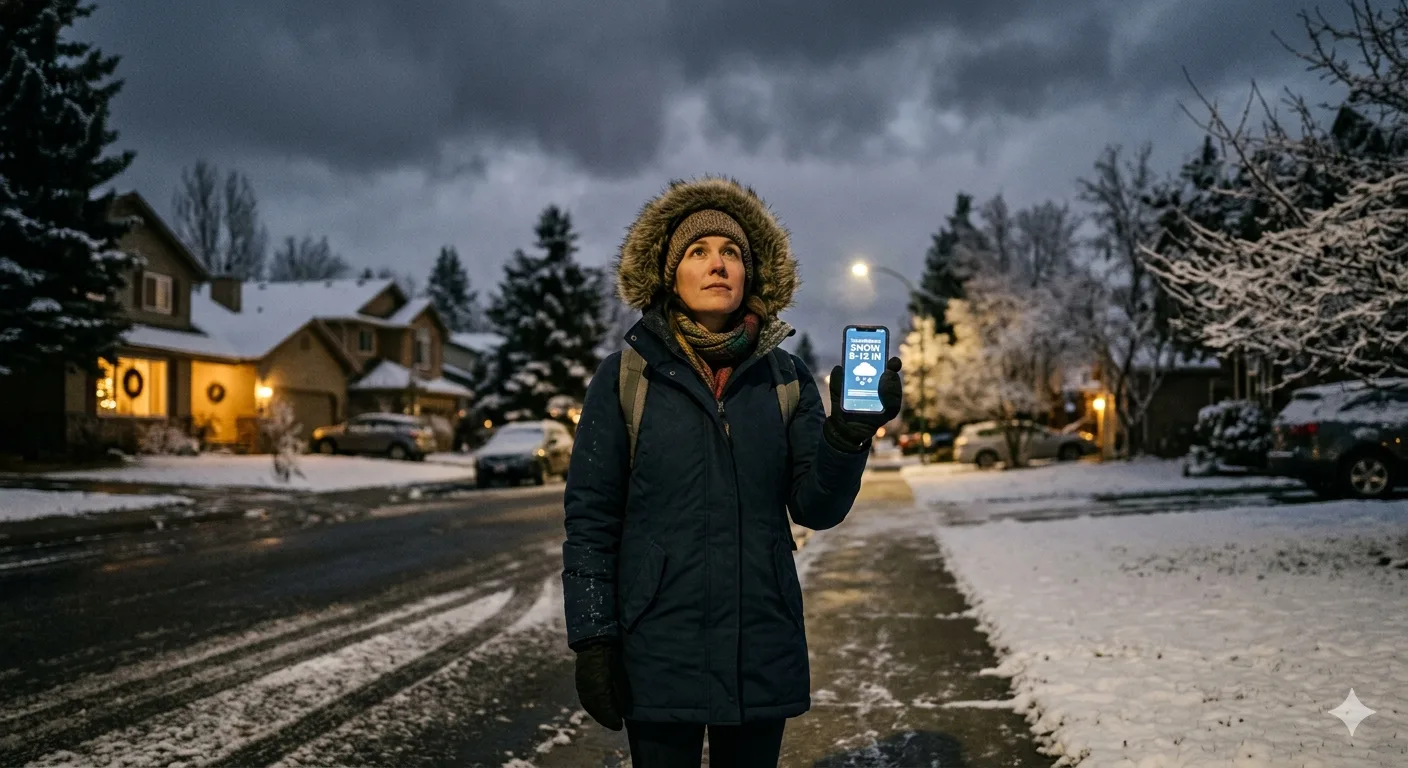
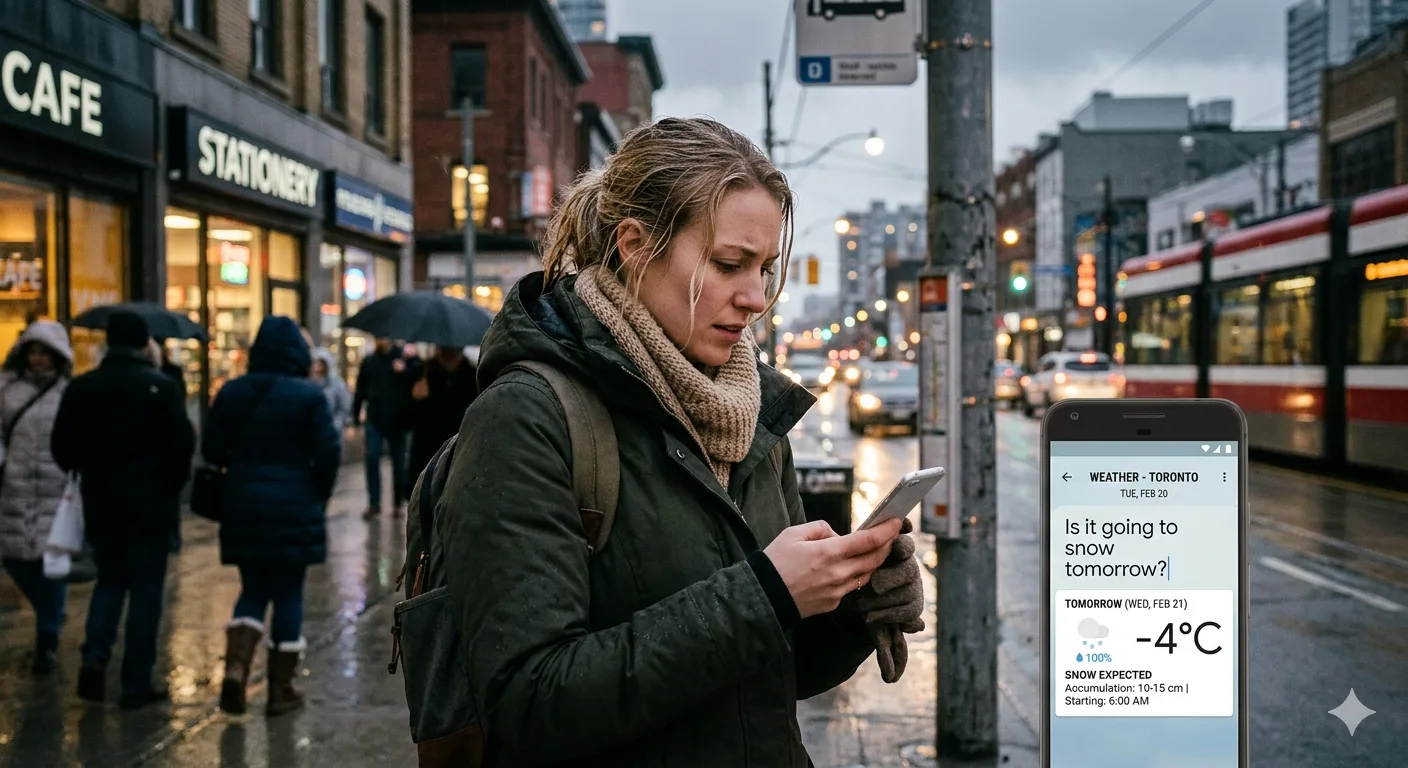
Every winter morning, millions of people wake up and ask the same urgent question: is it going to snow tomorrow? Whether you need to decide if you should cancel plans, prepare your car, dress your kids for school, or stock up on groceries, getting an accurate snow forecast is not just convenient. It can be critical to your safety.

The problem is that not all weather sources are equally reliable when it comes to predicting snowfall. Some apps are too vague. Some websites only show rain probability. And asking your neighbor does not count as meteorological science, no matter how confident they sound.

This guide gives you the three best and most accurate ways to check if it will snow tomorrow, ranked by reliability, with step-by-step instructions for each. You will also find a data chart comparing forecast accuracy across sources, expert insights, natural signs of incoming snow, and everything you need to stay a step ahead of winter weather.

📌 Key Takeaway

For the most accurate snow forecast, always cross-reference at least two sources: the National Weather Service (NWS) for official data and a dedicated weather app with radar for real-time visualization. Checking both the night before AND early morning gives you the highest confidence.

Why Predicting Snow Is Harder Than It Looks

Before diving into the methods, it helps to understand why snowfall forecasts are notoriously tricky even for professional meteorologists. Rain is relatively straightforward to predict. Snow, however, depends on an intricate combination of factors that can shift dramatically over just a few miles or a few hours.

The key variables that make snow forecasting difficult include:

  • Temperature at multiple atmospheric layers: Ground temperature, cloud temperature, and the temperature gradient in between all determine whether precipitation falls as rain, sleet, freezing rain, or snow.
  • Dew point and atmospheric moisture: A higher dew point means more moisture available to convert into snowflakes.
  • Storm track precision: A storm shifting just 50 miles north or south can mean the difference between a foot of snow and a cold drizzle.
  • Snow-to-liquid ratio: The classic 10-to-1 ratio (10 inches of snow equals 1 inch of liquid water) is accurate only about one-quarter of the time, according to professional forensic meteorologist data.
  • Lake-effect snow: Cold air passing over warm lake water can generate intense, localized snow bands. One neighborhood may see several inches while another two miles away sees nothing.
"It becomes more visual when it is snow. People remember and talk about missed snowfall forecasts far more than missed rain forecasts, which makes the perception of inaccuracy much higher." Bob Oraveck, Lead Forecaster, NOAA National Weather Service Weather Prediction Center

Understanding these complexities means you will approach snow forecasts with the right mindset: look for probability and ranges, not promises. A forecast of "40% chance of 2 to 5 inches" tells you something very specific about uncertainty. A weather tool that just says "snow tomorrow" tells you very little. Now, here is how to get the real answer.

The 3 Best Ways to Check If It Is Going to Snow Tomorrow

National Weather Service (NWS) Official Forecasts

The National Weather Service, operated by NOAA (National Oceanic and Atmospheric Administration), is the gold standard for snow forecast data in the United States. Every weather app, every TV meteorologist, and every private weather company ultimately pulls their foundational data from NWS models. Going straight to the source gives you the most authoritative and detailed snow information available for free.

How to Use the NWS for Snow Forecasting

1
Go to weather.gov and type your city, ZIP code, or state in the search bar.
2
Your local Weather Forecast Office (WFO) page loads with a 7-day forecast. Look for snowflake icons and specific accumulation ranges.
3
Click on "Hourly Weather Forecast" for hour-by-hour breakdown of precipitation type, temperature, and wind chill for tomorrow.
4
Look for the "Forecast Discussion" link. This is written by a real meteorologist and explains the confidence level and reasoning behind the forecast in plain English.
5
Check radar.weather.gov separately to see the live NEXRAD Doppler radar and watch approaching storm systems in real time.

What the NWS Gives You That Apps Do Not

  • Snow accumulation ranges (e.g., "3 to 6 inches") rather than just "snow likely"
  • Precipitation probability broken down by the hour
  • Wind chill values that affect road conditions and safety decisions
  • NWS Winter Storm Watches, Winter Weather Advisories, and Blizzard Warnings issued days in advance
  • Access to 159 NEXRAD Doppler radars and 45 Terminal Doppler Weather Radars for unparalleled coverage
Pro Tip: Bookmark your local NWS office page directly rather than always searching from weather.gov. Local offices often post region-specific impact statements and storm alerts hours before national apps do.

Pros

  • Completely free
  • Most authoritative data source
  • Written human meteorologist analysis
  • Detailed accumulation ranges
  • Official alert system

Cons

  • Interface can feel outdated
  • Less visual than apps
  • Requires a bit of weather literacy

Weather Apps with Live Doppler Radar

For most people, a high-quality weather app is the fastest and most visual way to check if it is going to snow tomorrow. The best apps layer NWS model data on top of interactive radar maps, making it easy to see exactly when a storm will arrive in your ZIP code, how much snow to expect, and what conditions will be like hour by hour.

Not all apps are equally good for snow forecasting. The best snow forecast apps do these three things well:

  1. Show precipitation type (rain vs. sleet vs. snow) in hourly forecasts
  2. Provide live and animated Doppler radar with snow overlays
  3. Display snowfall accumulation totals in inches, not just probability percentages

How to Read a Radar for Snow

When you open radar on any weather app, look for the following:

  • Blue and purple colors typically represent snow or mixed precipitation on most radar displays.
  • Green shading indicates rain. Watch for areas where green transitions to blue as they move toward colder ground.
  • Radar animation loop: Tap "play" to watch the storm movement. This tells you the direction and speed of the approaching snow.
  • Dual-polarization data: Advanced NWS radar can distinguish between snow, rain, and ice pellets using correlation coefficient layers. This is available on radar.weather.gov.
"OpenSnow is the app for researching weather and localized snow conditions in ski and snow sports areas. The map feature with radar is my go-to for visualizing real-time precipitation, especially for snowfall in the mountains." Verified User Review, OpenSnow App
Pro Tip: Enable push notifications for winter storm alerts on your chosen app. Many people miss a storm warning because they only checked the forecast once the night before. Alerts sent directly to your lock screen can give you hours of extra preparation time.

Pros

  • Highly visual and fast
  • Live radar animations
  • GPS-based automatic location
  • Push notifications for alerts

Cons

  • Premium features cost money
  • Accuracy varies by app
  • Can oversimplify forecast complexity

Specialty Snow Forecast Websites

For people who need more than a general weather forecast, specialty snow websites offer levels of detail that standard apps simply cannot match. These platforms are built specifically around snowfall prediction, pulling from multiple weather models simultaneously to give you a range of snow accumulation estimates rather than a single number.

Top Specialty Snow Forecast Resources

  • HowMuchWillItSnow.com: Focuses exclusively on snowfall totals for U.S. cities. Search by city or state for 3-day snow accumulation forecasts in inches, including comparisons to seasonal averages. Data is sourced primarily through the National Weather Service.
  • OpenSnow.com: Exceptional for mountain and ski resort forecasts. Features localized snow maps, model comparisons, and daily analysis posts from credentialed meteorologists. Includes a verification history showing forecast accuracy over time.
  • Snow-Day.net: Combines real-time forecast data with historical school closure patterns to estimate the probability of a snow day tomorrow. Useful for parents and educators who need to anticipate school decisions, not just weather totals.
  • NOAA's NOHRSC (National Operational Hydrologic Remote Sensing Center): Provides hourly snowfall forecast maps sourced from over 20,000 weather stations. More technical but extremely detailed for serious weather watchers.
  • Pivotal Weather: Displays raw model data including the GFS and Euro (ECMWF) models side by side. Excellent for seeing where models agree or disagree, which tells you a lot about forecast confidence.

How to Use Multiple Models to Judge Confidence

Professional meteorologists use a concept called ensemble forecasting: instead of relying on a single weather model, they look at many model runs and judge confidence by how closely they agree.

  • If the GFS and Euro models agree: High confidence in the forecast. Plan accordingly.
  • If the models disagree significantly: Low confidence. Treat the forecast as uncertain and prepare for a range of outcomes.
  • Watch the trend: If the snow forecast has been consistent across the past 3 or 4 model runs, confidence increases. If it keeps shifting, expect changes.
Pro Tip: For the most reliable snow forecast, check at least two sources from different methods above. If the NWS, your weather app, and a specialty site all agree on 4 to 6 inches of snow, you can plan with high confidence. If they disagree, prepare for the higher end of the range just to be safe.

Pros

  • Deeper snow detail than general apps
  • Multiple model comparisons
  • Expert written analysis on many sites
  • Historical accuracy data available

Cons

  • Some sites require a subscription
  • Can be overwhelming for casual users
  • Usually U.S.-focused

Snow Forecast Source Accuracy Comparison

Not all snow forecast sources perform equally well. The chart below compares typical precipitation accuracy rates for common forecast sources, based on aggregated data from ForecastAdvisor and published meteorological studies. Scores reflect the percentage of forecasts that correctly predicted the presence or absence of snow within a 1-to-3-day forecast window.

Read More : Will It Snow Today

Natural Warning Signs That Snow Is Coming Tomorrow

Long before weather apps existed, people relied on observational cues to predict snow. While these natural weather signs are far less reliable than modern forecasting (typically around 25% accuracy), they can serve as interesting supplementary indicators and are fun to learn about.

Sky and Cloud Indicators

  • High cirrus clouds: Thin, wispy clouds at high altitude often precede an incoming weather system by 24 to 48 hours. Combined with a falling barometer, this can signal snow.
  • A ring around the moon or sun: This halo is caused by ice crystals in high cirrostratus clouds. It is a traditional indicator of moisture moving in, which can bring precipitation including snow.
  • Rapidly lowering cloud ceiling: When clouds drop noticeably throughout the day, a storm system is likely approaching.
  • A milky or "lead-colored" sky: Overcast skies with a gray-white tone often indicate moisture-laden air ready to precipitate as snow if temperatures are cold enough.

Temperature and Wind Cues

  • Temperatures near or just above freezing (30 to 36F / -1 to 2C): This is the sweet spot for heavy, wet snowfall. Very cold air (-10C and below) tends to produce lighter, powdery snow.
  • Wind shifting from the northeast: A "nor'easter" wind pattern is historically associated with heavy snowfall along the U.S. East Coast and similar regions.
  • Dropping barometric pressure: A rapid pressure drop (especially over 6 to 12 hours) indicates an approaching storm system. Many smart home weather stations now track this automatically.
"Snow forecasts should never be taken from a single source. The best approach is to combine official NWS data with local radar and check both the evening before and again first thing in the morning, when models have updated overnight." Bob Oraveck, Lead Forecaster, NOAA Weather Prediction Center, as reported by the Forest Preserve District of Will County

How to Prepare Once You Know Snow Is Coming Tomorrow

Knowing that snow is in the forecast is only half the job. The other half is acting on that information before the storm arrives. Here is a practical checklist organized by how far out you know the snow is coming.

The Night Before (12 to 24 Hours Out)

  • Move your car to a garage or covered spot if available. If not, point it away from the direction the storm is approaching from.
  • Stock up on road salt, ice melt, or sand for your driveway and walkways.
  • Charge your phone, laptop, and portable power banks. Heavy snow can cause power outages.
  • Confirm school closures or delays if you have children. Many districts post decisions by 5 to 6 AM.
  • Fill your vehicle's gas tank if you need to drive tomorrow. Gas stations get busy before storms.
  • Pull out your shovels, snow blower, and winter gear. Do not wait until you need them.

The Morning Of (0 to 12 Hours Out)

  • Recheck the forecast. Overnight model updates often refine timing and totals significantly.
  • Listen for NWS winter weather alerts on NOAA Weather Radio or via your weather app.
  • Allow extra travel time. Even one inch of snow can slow traffic by 40 to 50 percent.
  • Dress in moisture-wicking base layers, insulating middle layers, and a waterproof outer shell.
  • Check road conditions via your state's Department of Transportation road camera app or website before driving.
📌 Safety Reminder

According to road safety data from Iowa spanning 2018 to 2020, approximately 56% of weather-related crashes occurred with just one inch or less of snowfall, and around 21% occurred with just a trace of snow. Do not underestimate light snowfall events. Even minor accumulation creates significant hazard on roads and sidewalks.

Important: How Far Ahead Should You Trust a Snow Forecast?

This is one of the most common questions in winter weather preparation. Here is a practical guide:

Forecast Range Reliability Level Best Action
0 to 24 hours Very High (80 to 90%+) Act on it. Prepare now.
24 to 48 hours High (70 to 80%) Begin light preparation, monitor for updates.
3 to 5 days Moderate (55 to 70%) Be aware, do not cancel plans yet.
6 to 10 days Low (40 to 55%) Watch trends only. Significant changes likely.
10+ days Very Low (below 40%) Ignore specifics. Focus on broad seasonal outlook.

Conclusion

The next time you find yourself wondering is it going to snow tomorrow, you now have three reliable and proven methods at your fingertips. Start with the National Weather Service for authoritative accumulation forecasts and official alerts. Layer on a Doppler radar weather app for real-time storm visualization and push notifications. And for deeper snow detail, turn to specialty snow forecast websites like thesnowdaycalculators.com.

Also Checkout : 

Frequently Asked Questions

The most accurate website for snow forecasts in the U.S. is thesnowdaycalculators.com, operated by the National Weather Service (NOAA). It provides official accumulation ranges, hourly precipitation type forecasts, and access to the NWS Forecast Discussion written by real meteorologists.

Snow forecasts for the next 24 hours carry very high accuracy, typically 80 to 90% or above for major events from reputable sources. Forecasts 3 to 5 days out drop to roughly 55 to 70% accuracy, and forecasts beyond 7 to 10 days are largely speculative. According to meteorologists at the NWS, long-range snow forecasts may be compelling for TV ratings but often change significantly before the weather event arrives. Always base your preparations on forecasts within a 24 to 48 hour window.

Snow can fall when surface temperatures are at or below 35 to 36 degrees Fahrenheit (2 to 3 degrees Celsius), though the temperature in the clouds must be at or below 32F (0C) for ice crystals to form. The heaviest and wettest snow typically falls when surface temperatures are between 30F and 34F (-1 to 1C). Very cold temperatures below 10F (-12C) produce light, powdery, low-accumulation snow because extremely cold air holds very little moisture. Ground temperature also matters: a warm ground can melt incoming snowflakes before they accumulate.

The most reliable method is to check your school district's official website, app, or social media accounts, as closure decisions are made locally. You can also use Snow-Day.net, which combines real-time forecast data with historical school closure patterns to estimate the probability of a snow day in your area. Most districts post cancellation decisions between 5 and 6 AM on the morning of the potential storm, though many districts also announce the night before when the forecast is highly confident. Sign up for your district's automated notification system if available.

Several factors cause forecast snow to miss a specific location. Storm track shifts of even 20 to 50 miles can move the heaviest snow band entirely away from your area. Ground temperature can be too warm to allow accumulation even when flakes are falling. Lake-effect snow is highly localized and can produce two inches per hour in one neighborhood while the next town gets nothing. Dry air layers aloft can also evaporate snowflakes before they reach the ground, a phenomenon called virga. This is why checking radar live on the day of the storm is just as important as reading the forecast the night before.